


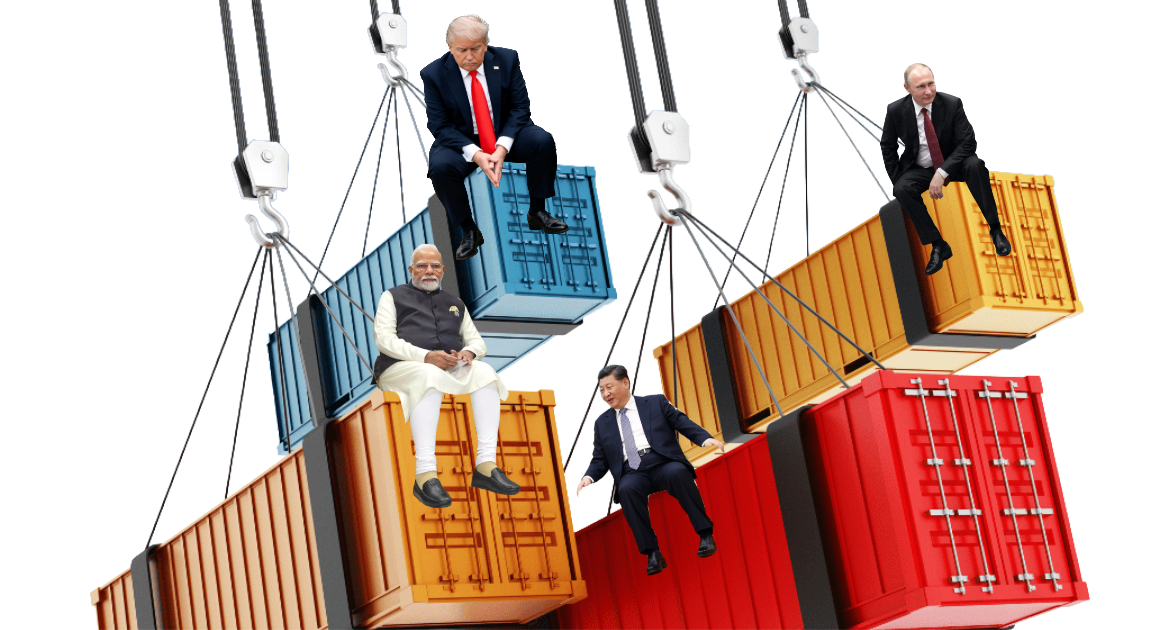
African resources become targets while the wars initiated by the USA and its allies pose a serious existential threat to the BRICS, which, if left unchecked, will collapse, leaving the USA and its petrodollar exchange system dominant and in supreme control of global industry, bolstered by its military might, technology, and economy. James Norris explains. —————————-
On the eve of his final deployment to eastern Ukraine, a 24-year-old soldier named Oleksandr told a journalist that he was fighting for “the free world.” He believed, with a sincerity that broke your heart, that Russia intended to march through the Carpathians and into Berlin. Across the Atlantic, a think tank in Virginia published a paper the same week, dryly noting that the Nord Stream pipelines—once Europe’s circulatory system for cheap Russian gas—now lay at the bottom of the Baltic Sea, replaced by Louisiana liquefied natural gas (LNG) tankers docking in Wilhelmshaven. And in Ouagadougou, Burkina Faso, a gold miner watched a drone streak overhead—not Russian, not Chinese, but American, guarding a concession that had changed hands twice in three years.
These three scenes are not separate. They are the tensile strands of a single global architecture. And the question now haunting every capital from Dakar to Dar es Salaam is not whether Africa will be drawn into the coming extended wars between the United States, Europe, Russia, and China—but how deeply, and at what price.
Brian Berletic, a US geopolitical analyst at the New Atlas, has spent years tracking what he calls the “hostage crisis” of global stability. His argument is stark: until the interests driving US foreign policy—the arms industry, big oil and gas, big tech, the automotive sector—are displaced by the alternatives offered by multipolarism, and until a multipolar world can create sufficient deterrence against not just US military aggression but also economic coercion and political capture, Washington will continue to hold global peace and prosperity hostage to its demand for continued unipolar hegemony. The future of multipolarism, which lies at the heart of the BRICS bloc, is now under direct assault. And African economies—some already BRICS members, others aspiring—are caught in the crossfire.
The Theatre of European Despair
To understand Africa’s coming fate, one must first understand how the United States has reframed the map of war. The narrative that Ukraine is fighting for Europe’s very existence has been masterfully sold. America has convinced the Ukrainians that Russia is the enemy seeking to invade Europe, and in turn, Ukraine has prepared to sacrifice their country and their youth for the United States. But the spat between the US, the UK, and Germany over aid and strategy is, according to Berletic’s analysis, pure political theatre. It is designed to convince the European public that they are alone—that the American giant has grown distracted, even hostile. The objective? To force Europe to step into the breach in Ukraine after its soldiers are killed, yet to keep fighting the same proxy war. Even the withdrawal of US troops from Germany is not a falling out; it is a tactical repositioning for a continued war against Russia from a different angle.
The results are already catastrophic for European industry. The US proxy war against Russia has destroyed Europe’s cheap energy relations with Moscow. The Nord Stream pipelines, which delivered affordable natural gas for decades, are gone. Europe is now dependent on expensive US LNG. At the same time, Washington is blowing up Russian energy infrastructure—refineries, storage tanks, export terminals—and embargoing Russian tanker ships, cutting Russia off from China in the same way it cut off Venezuela. Remember Venezuela: the US redirected its oil from China to American refineries after capturing the state’s political apparatus. A clear division of labour has emerged: the US targets China and Iran; Europe is left to bleed against Russia. Europe now takes directives from Washington, with just enough public theatre of “fallouts” to convince Europeans that the US has abandoned them—thus galvanising them to keep fighting an existential threat that Washington itself has helped manufacture.
The Indonesian Lever and the Malacca Stranglehold
But Europe is only half the chessboard. In the Indo-Pacific, the US has secured access to Indonesian airspace, a move that allows it to overfly and effectively strangle the Malacca Strait. This is the narrow maritime corridor through which China receives the lion’s share of its oil imports. By controlling Indonesian skies, America can interdict, surveil, or threaten any tanker bound for Shanghai or Shenzhen. It is no coincidence that the US is also sponsoring attacks on the Myanmar-China oil pipeline. Blowing up that pipeline restricts energy to China, forcing Beijing to rely even more heavily on sea lanes that Washington now threatens to dominate.
The economic coercion is already working. Indonesia has been forced to sign a US$15 billion energy deal with the United States precisely because its oil supplies from the Middle East have been cut off. This is a deliberate pressure campaign: the US has imposed a blockade on the Strait of Hormuz, choking oil supplies to China and other Asian nations, compromising them, making them dependent. Even India—a BRICS member, theoretically a partner in multipolarism—is now supplying logistics to the US to blow up an Iranian ship returning from a show in India. The contradiction is savage: The very nations that signed up for a multipolar world are being forced to police it on America’s behalf.
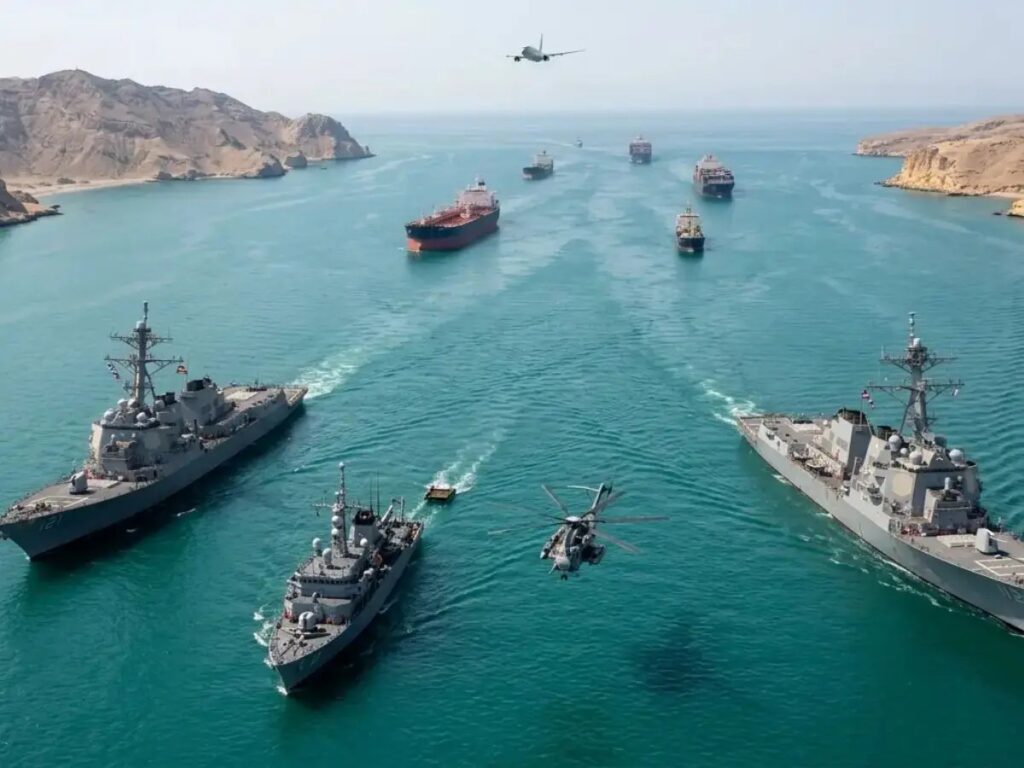
Africa’s Twin Wars: The Sahel and Sudan as Proxy Theatres
And then there is Africa. The wars in the Sahel and Sudan are not local insurgencies. They are US-European proxy wars, fought to extract cheap resources that finance the larger global conflict. Uranium from Niger—critical for French nuclear power and American naval reactors—has flowed out under the protection of drones and special forces. Gold from Sudan, much of it smuggled through Dubai and into European refineries, helps bankroll the very militaries that are now fighting Russia in Ukraine.
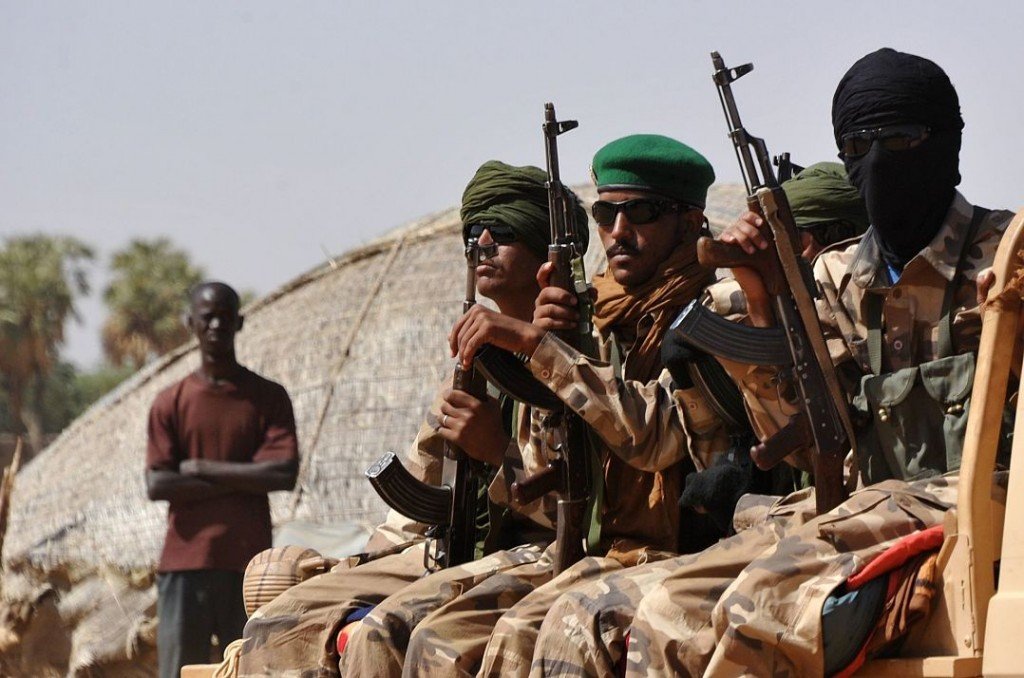
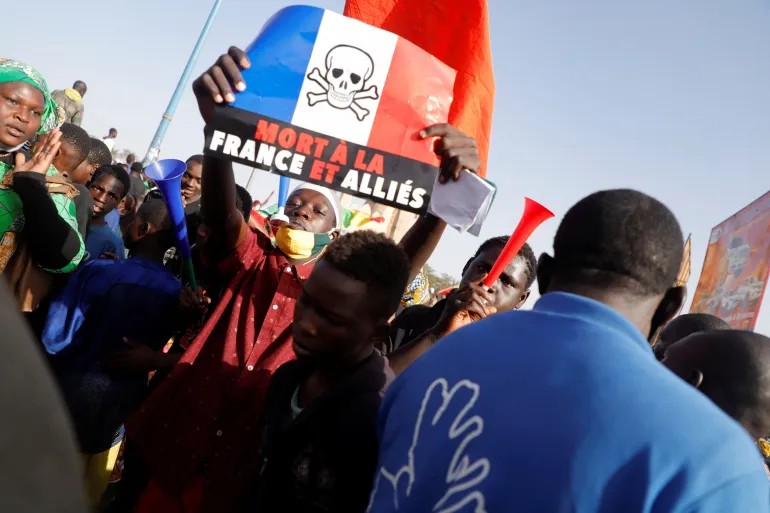
Consider the arithmetic. A European country that has gutted its social spending to raise defence spending from 2 per cent to 5 per cent of GDP—as the US has successfully convinced Europe to do for a confrontation with Russia—cannot afford to pay market price for strategic minerals. It must extract them at gunpoint, or through puppets. The Sahel has become a laboratory for this new old colonialism. France, pushed out of Mali and Burkina Faso by popular uprisings, has simply rebranded its operations, working through US logistical and intelligence channels. The Wagner Group’s presence in the Central African Republic and Mali is not a Russian victory; it is a symptom of the same predatory vacuum. The US and Europe, unable to control the region through overt occupation, now fuel multiple armed factions, ensuring that no single power—least of all African governments—can set terms for resource extraction.
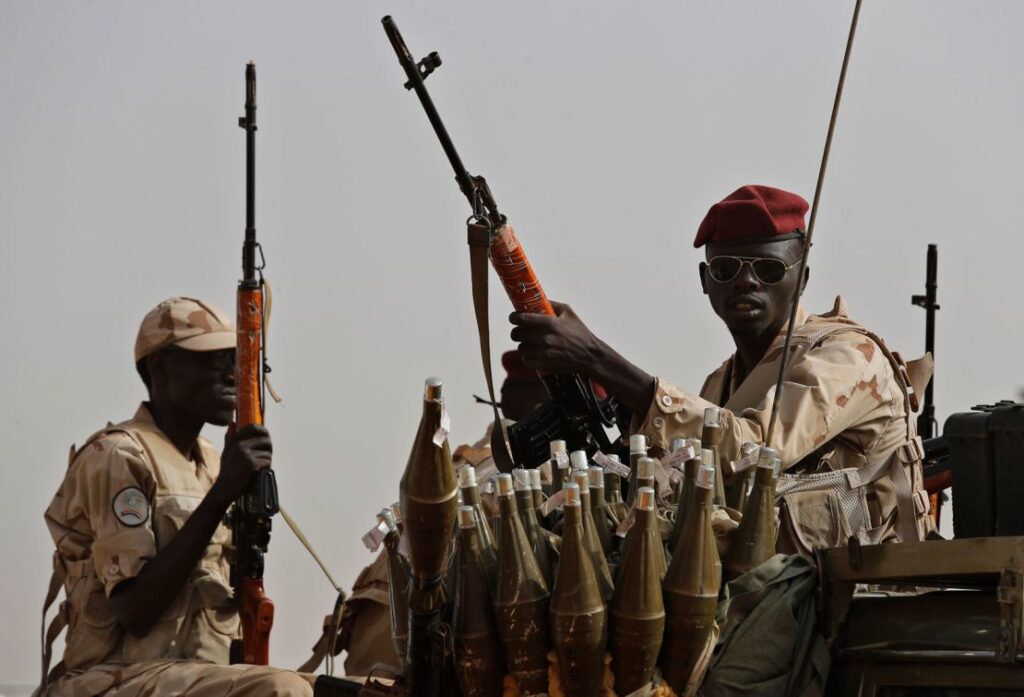
The Subservient Continent
The brutal truth is that most African nations lack military capacity. Their armies are underfunded, their air forces negligible, their intelligence services penetrated. They are subservient states importing almost all their food, technology, hard currency and related inflation. They are without fixed allies, drifting in a storm they did not create. When the US asks for overflight rights or port access, African governments say yes—not from love, but from terror of the sanctions, the visa bans, the frozen assets that follow a refusal. When the EU offers “security partnerships” that embed European officers inside African defence ministries, it is not altruism. It is a management structure for a recolonization that wears a blue helmet and calls itself “partnership” or “capacity building.”
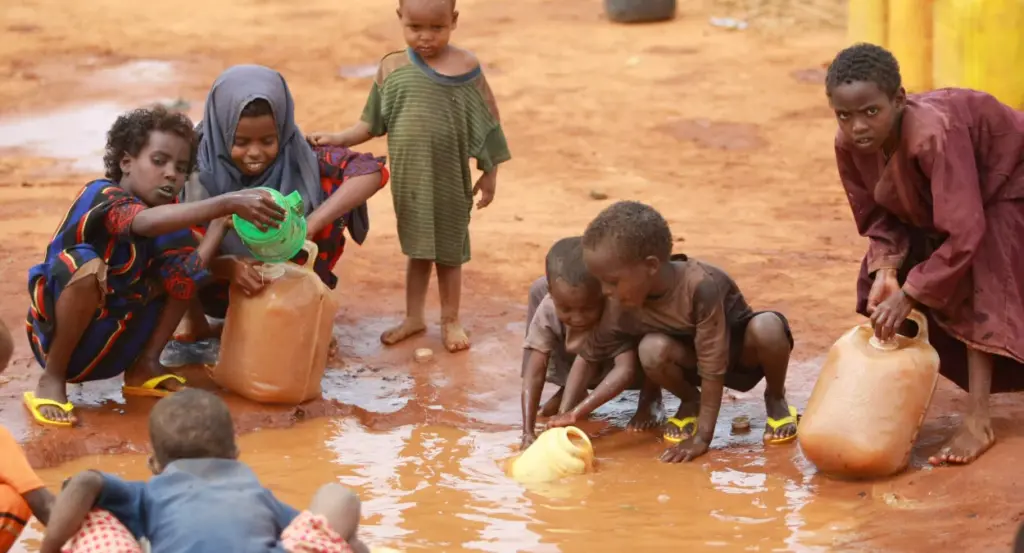
The nightmare scenario is now being whispered in diplomatic corridors: Africa could become the subject of outright recolonization, not in the 19th-century sense of flags and governors, but in a 21st-century form of contract farming for war. Neocolonial resource extraction, already brutal, would intensify to fund America’s global wars and Europe’s broken economies. If a European power needs to raise another €100 billion for defence, it will take it from African mining contracts. If the US needs to secure a rare-earth supply chain not dependent on China, it will impose a “security zone” across the Congo basin, displacing millions.
The Corruption Factor
Of course, one cannot tell this story without naming the internal rot. Many African leaders are corrupt and compromised. They have offshore accounts in London and Dubai. Their children attend universities in Boston and Paris. They own apartments in Geneva whose locations are state secrets in their home countries. These leaders will not lead a fight against the very predators who hold their wealth and their families’ futures. When the US ambassador suggests that a particular mining law should be rewritten, or that a particular port should be leased to a particular European logistics firm, the African president who says no is rare. The one who says yes is common. And the one who negotiates a percentage for himself is almost universal.
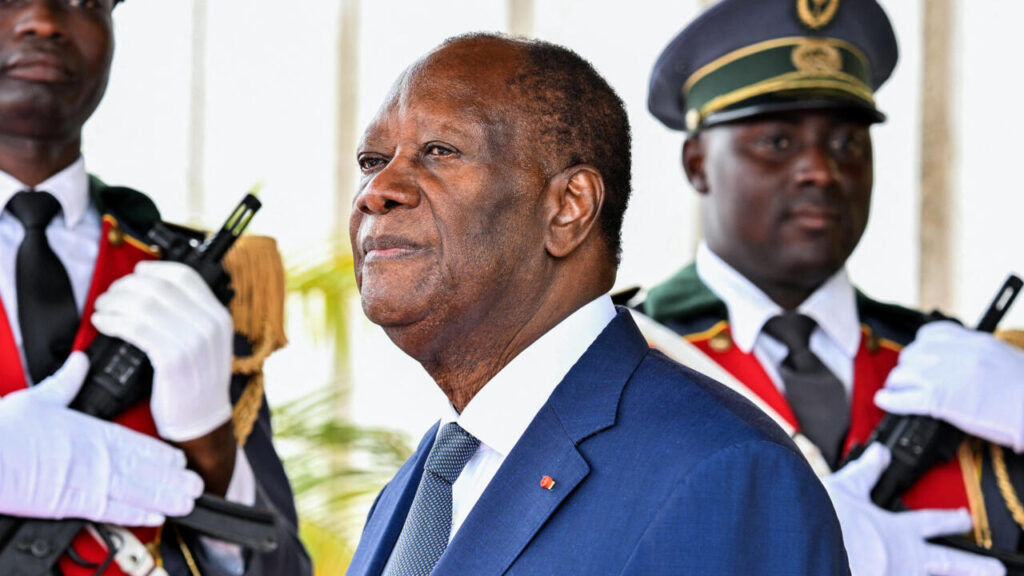
This is not racism; it is realism about how power works in unequal systems. A compromised leadership class puts the entire continent at the mercy of European and American predators. The BRICS alternative—South Africa, Ethiopia, Egypt, and others either inside or aspiring to be—offers a theoretical multipolar shelter. But BRICS itself is being attacked. It is not a military alliance. It has no standing army, no joint intelligence, no mutual defence clause. When push comes to shove, an African BRICS member cannot call on Beijing or Moscow to stop an American naval blockade of its coast. The multipolar world, as Berletic notes, has not yet created sufficient deterrence against US aggression. Until it does, the promises of multipolarism are just promises.
The Coming Silence
So what will happen? Project forward three to five years. The US is fully locked in a proxy war with Russia in Europe, while preparing for a larger war with China. Europe, drained of young men and industrial energy, follows Washington’s directives not from enthusiasm but from absence of alternatives. The Malacca Strait is effectively a US lake. Indonesia and India have been co-opted. And Africa? Africa provides the blood minerals for every smart bomb, the uranium for every reactor, the gold for every financial war chest. Its wars are not its own; they are budget lines in distant capitals. Its leaders are not sovereign; they are asset managers for foreign interests.
The silence from most African capitals will be the most telling sound of the coming decade. Not because Africans do not see what is coming—they see it more clearly than most. But because seeing and stopping are different things. When you are prey in a world of predators, the first survival tactic is not to roar. It is to go very, very quiet. And that quiet, that terrible stillness, is the real measure of how the USA and Europe’s global wars will reshape a continent that never asked for any of this.
PULL OUT
The wars in the Sahel and Sudan are not local insurgencies. They are US-European proxy wars, fought to extract cheap resources that finance the larger global conflict.
Gold from Sudan, much of it smuggled through Dubai and into European refineries, helps bankroll the very militaries that are now fighting Russia in Ukraine.
A European country that has gutted its social spending to raise defence spending from 2 per cent to 5 per cent of GDP cannot afford to pay market price for strategic minerals. It must extract them at gunpoint, or through puppets.
France, pushed out of Mali and Burkina Faso by popular uprisings, has simply rebranded its operations, working through US logistical and intelligence channels.
The US and Europe, unable to control the region through overt occupation, now fuel multiple armed factions, ensuring that no single power—least of all African governments—can set terms for resource extraction.
Africa could become the subject of outright recolonization, not in the 19th-century sense of flags and governors, but in a 21st-century form of contract farming for war
The African president who says no is rare. The one who says yes is common. And the one who negotiates a percentage for himself is almost universal.
When push comes to shove, an African BRICS member cannot call on Beijing or Moscow to stop an American naval blockade of its coast