


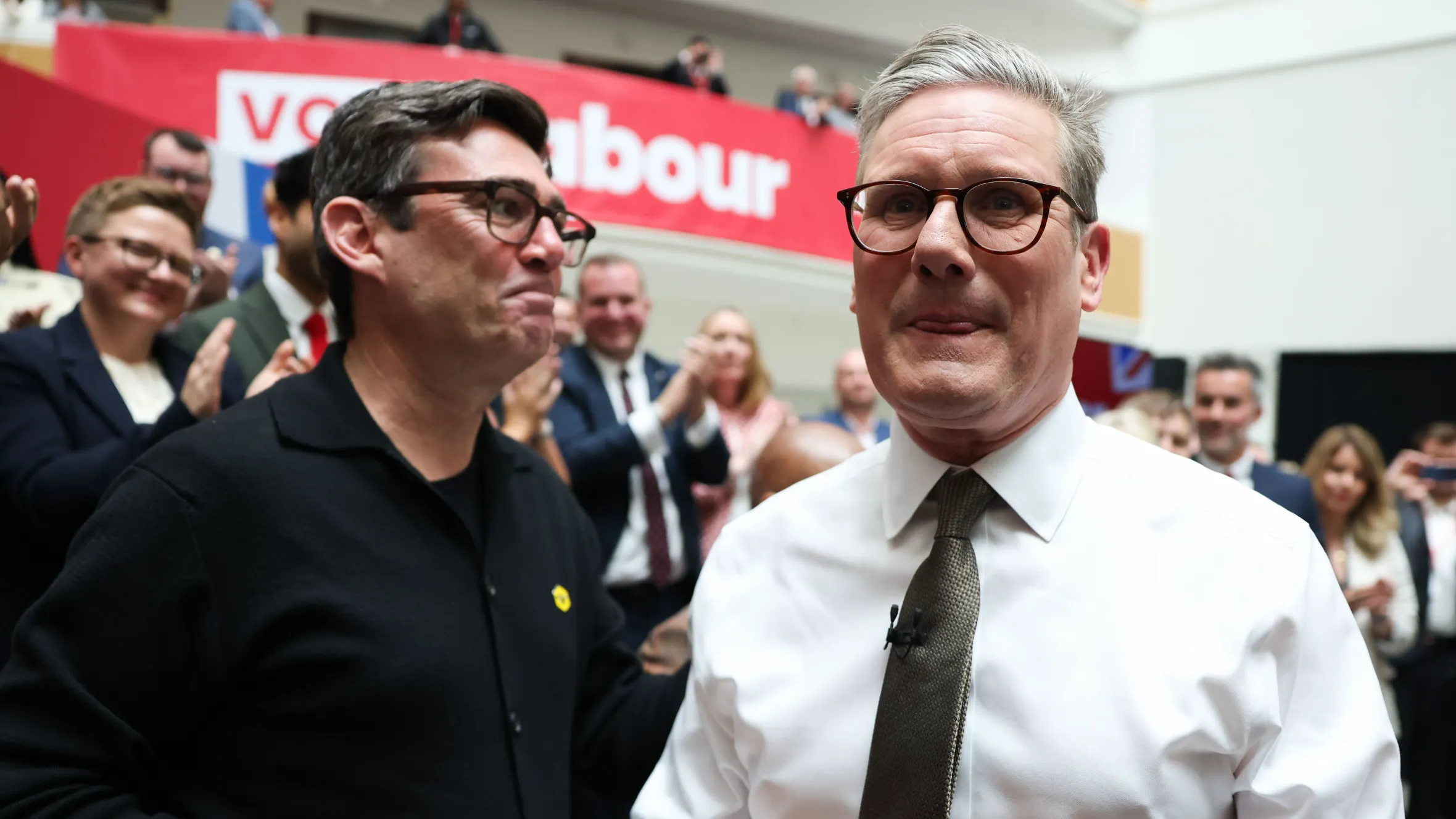
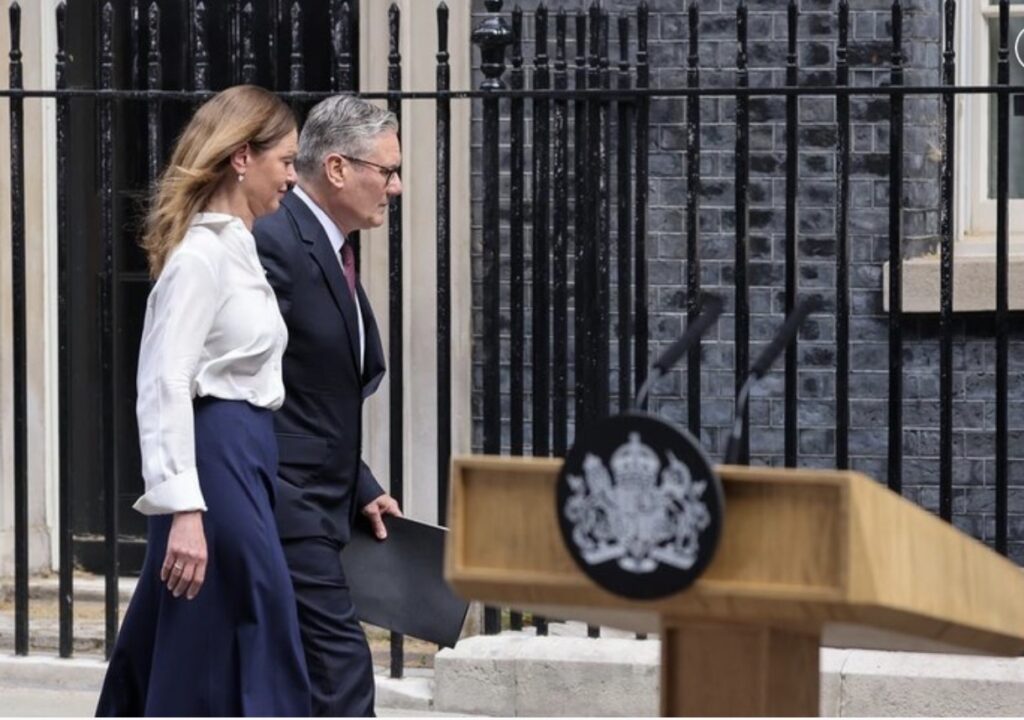
According to James Norris Political Analyst, Starmer’s abysmal failure as UK Prime Minister, with the lowest popularity rating in polling history, is a blessing for his successor.
A Historic Mandate and Fractured Foundation
In a political upheaval that has become emblematic of post-Brexit instability, Sir Keir Starmer’s premiership has ended less than two years after his party’s historic 2024 landslide victory. His resignation on June 22nd marks him as one of the shortest-serving Prime Ministers in modern British history, a bitter end for a leader who promised a “decade of national renewal”.
Starmer’s downfall stemmed from a paradox: a parliamentary majority built on a weak public mandate. Labour secured a commanding 411 seats with just 33.7% of the popular vote—one of the largest discrepancies in UK electoral history. This “mechanical” victory hid a lack of genuine enthusiasm, creating a government that was structurally vulnerable from the outset.
The Anatomy of a Political Collapse
Starmer’s resignation was not the result of a single event but a series of self-inflicted wounds. His technocratic, cautious “Mr. Rules” persona—which had offered stability after the chaos of the Conservative years—quickly became a liability. In an era demanding authenticity, voters perceived him as wooden and lacking a clear ideological vision.
Key policy missteps eroded public trust. The decision to cut winter fuel payments for millions of pensioners is widely cited as the moment his popularity began its terminal decline. This was followed by a pattern of embarrassing U-turns on welfare cuts and agricultural inheritance taxes, reinforcing perceptions of a government lacking direction. The most damaging blow was the appointment of Peter Mandelson as US ambassador. When documents linked Mandelson to the convicted sex offender Jeffrey Epstein, and revelations emerged that he had passed security vetting despite being flagged as a “reputational risk,” it fatally undermined Starmer’s image of integrity and control.
Starmer’s Legacy and Economic Impact
Starmer’s legacy is one of unfulfilled potential. He achieved stability after the Truss mini-budget crisis but struggled to translate it into tangible improvements for households facing hardship. His economic record is mixed; he raised the minimum wage and improved NHS waiting lists, but growth remained sluggish. His and Chancellor Rachel Reeves’ initial pessimistic warnings about the public finances dampened business confidence. On the economy, Starmer’s resignation has had a surprisingly muted immediate impact on the pound and bond yields, as markets had largely priced in his departure. However, the transition introduces a period of uncertainty that investors find uncomfortable.
Andy Burnham is a Different Political Animal
Andy Burnham, the Greater Manchester Mayor and newly elected MP for Makerfield, is now the frontrunner, promising a radical departure from Starmer’s technocratic style.
Politically, Burnham and Starmer are markedly different. Burnham is a more charismatic figure who projects authenticity and empathy. His ideology is described as a “business-friendly socialism” or “Manchesterism,” centered on devolving power and rejecting neoliberalism. He is seen as a more left-leaning figure but one who understands the need to work with the private sector.
Burnham’s policy platform is more interventionist. He advocates for greater public control of water, energy, and transport—moves that could cost billions. On energy bills, he has promised to apply the Manchester model of lowering fares to energy, aiming to make life more affordable. However, his ability to do so is constrained by Starmer’s fiscal rules and the need to avoid spooking the bond markets.
Can Burnham Deliver Change?
The “Burnhamism” project represents a complete rejection of the centralized Westminster model, seeking a shift towards a power-sharing model that can accommodate long-term strategic policy-making. His challenge is monumental. He must forge a clear connection with the public, something Starmer failed to do. He must craft a message of hope without over-inflating expectations.
His biggest task is to balance his interventionist ambitions with fiscal credibility. As one analyst noted, “if the government sets out a credible economic and fiscal strategy, then the markets will be fine” . However, his choice of Chancellor will be crucial. A figure like Ed Miliband, seen as more left-leaning, might unnerve the City, whereas continuity with someone like Rachel Reeves would reassure investors.
A Brighter Future?
Can Britain’s future be brighter with Andy Burnham? He offers a stark contrast to the Starmer era: hope versus caution, vision versus technocracy, and northern authenticity versus Westminster conventionality. His focus on devolution and tackling social inequality is promising.
However, the structural challenges remain enormous. He inherits a sluggish economy, a fractured electorate, and a fiscal straitjacket. While Burnham might succeed in reducing energy bills through public intervention and create growth through reindustrialization, his success is far from guaranteed.
His ability to navigate the “populist” threat from Reform UK and unite his party will define his premiership. Ultimately, Burnham’s premiership could be a turning point—a genuine shift away from the post-Thatcher consensus. But he must learn from Starmer’s mistakes: grand visions must be matched by political competence, and hope must be grounded in hard economic reality.